

Hybrid interiors
The Hybrid Home: Integrating Traditional Craftsmanship with Modular Design
Designers are blending the efficiency of modular engineering with the tactile presence of traditional craftsmanship, so a home can be practical and emotionally grounded.
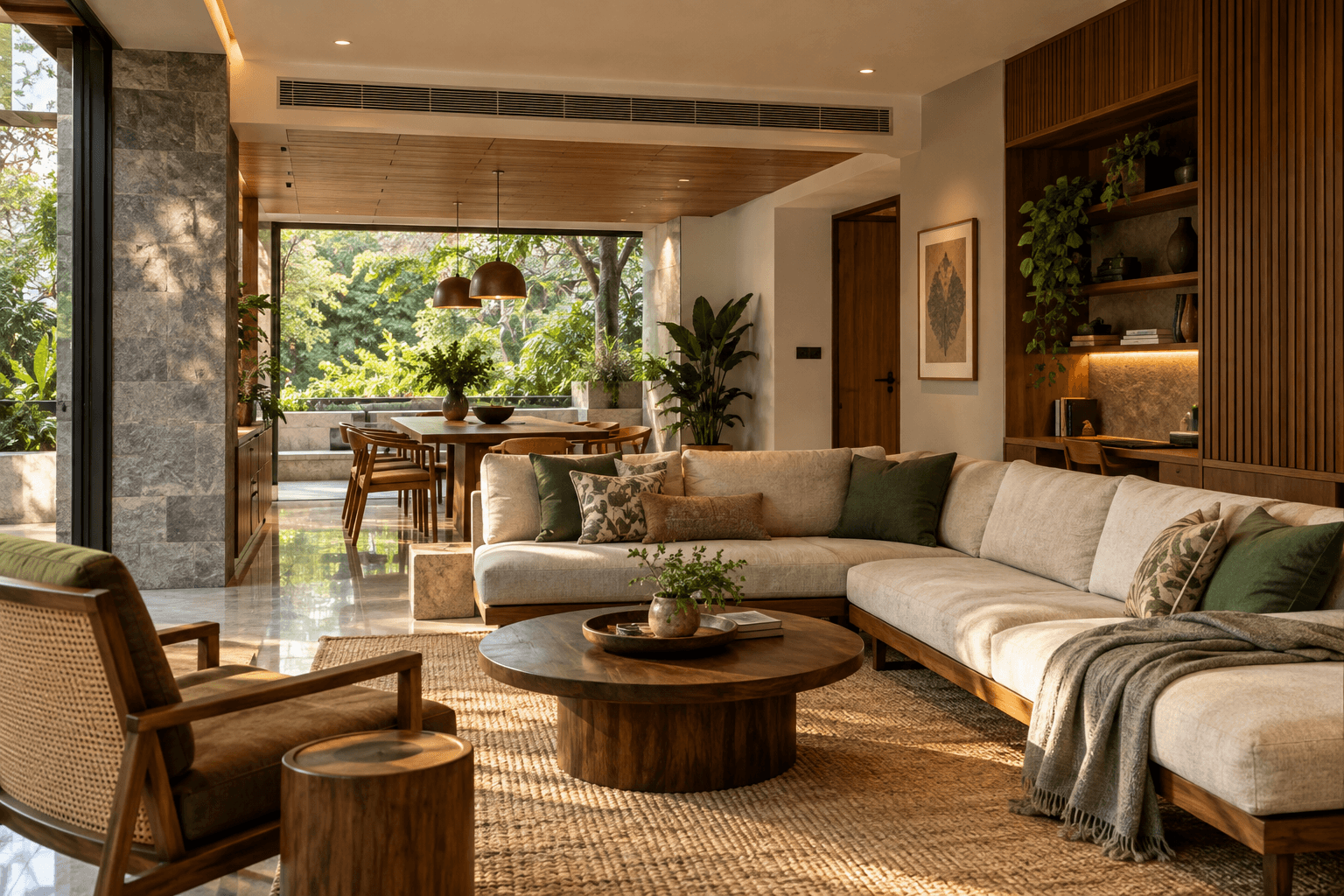
For years, the interior design world felt split into two distinct camps. On one side stood the minimalists, championing clean-lined, ultra-functional modular furniture designed for sleek urban efficiency. On the other side were the design purists, advocating for heritage, slow living, and the irregular beauty of hand-carved, artisanal statement pieces.
These two philosophies are no longer in opposition. They have merged into a defining design movement: The Hybrid Home.
Driven by a collective desire for spaces that are both exceptionally practical and emotionally grounded, designers are blending the effortless efficiency of modular engineering with the soulful, tactile presence of traditional craftsmanship. The result is an aesthetic that feels fresh, organized, and deeply human.
1. The Anatomy of a Hybrid Space
The concept of the Hybrid Home relies on a simple rule: Modular builds the infrastructure; craftsmanship provides the soul.
In a hybrid living room, you won’t find a stark, sterile environment, nor will you find a cluttered antique shop. Instead, you will see a highly responsive, high-tech modular sofa system seamlessly paired with a raw, hand-carved solid wood coffee table or an artisan-applied lime-wash accent wall.
This structural contrast balances the straight, hard edges of modern architecture with the enveloping, organic silhouettes that have taken over global design capitals.
2. Dynamic Modularity for Changing Lifestyles
The foundation of the hybrid interior is adaptability. We ask more of each room than a single purpose. Homes double as offices, entertainment sanctuaries, and restorative retreats.
Sleek modular design answers this call through high-functioning spatial flexibility:
- Reconfigurable Seating Systems: Sofas are no longer static blocks. Contemporary modular seating systems utilize hidden, lockable brackets that let homeowners shift a configuration from a formal conversation layout into an expansive, media-room lounge in minutes.
- Concealed Home Offices: Intelligent millwork and modular cabinetry allow full-scale desks, ergonomic monitor arms, and organizational storage to tuck away entirely behind seamless panels at the end of the workday.
- Intelligent Geometry: Furnishings are built with integrated constructive logic—featuring built-in side tables, low-profile charging zones, and modular components that keep visual clutter to an absolute minimum.
3. The New Artisanal Renaissance
While modular frameworks bring order and flow, material authenticity is what transforms a house into a sanctuary. A space built purely out of engineered wood and factory-precise plastics can quickly feel sterile. To counteract this “digital fatigue,” there is a renewed appreciation for visible joinery, rich wood grains, and handcrafted details.
Integrating traditional craftsmanship looks like:
- Mixing Wood Tones: Moving away from matching, flat-pack sets, designers are combining different species—such as contrasting a refined walnut cabinet against lighter, heavily grained oak elements—to create layered visual depth.
- Hyper-Tactile Surfaces: Homeowners are gravitating toward finishes that invite touch. Hand-applied, mineral-based lime paints, microcement fixtures, and raw stone counter joints celebrate the beauty of natural imperfection.
- Modern Heirlooms: Curation has replaced mass consumption. Spaces are anchored by bespoke, local crafts—like hand-blown glass pendants, woven cane paneling, or hand-thrown oversized ceramics—that carry a sense of heritage and storytelling.
4. Creating the Perfect Balance in Your Home
Achieving the Hybrid Home aesthetic requires intentional balance. If you’re planning a remodel or refreshing an interior, consider this simple, three-step approach to harmonizing structure and soul:
Step 1: Lay the Foundation with Pure Form
Keep the permanent architectural features clean and seamless. Opt for integrated, handle-free built-in cabinetry, flush ceiling tracks for lighting, or sleek, hidden pocket doors. This creates a quiet backdrop that reduces visual noise.
Step 2: Layer with Adaptive, High-Performance Furniture
Invest in high-quality modular furniture that addresses how you actually live. Look for pieces with crisp, contemporary silhouettes that provide top-tier comfort and flexibility.
Step 3: Disrupt with Organic Imperfection
Break up the straight lines and perfect symmetry of your modular layout by adding raw, organic elements. Pair a clean-lined, geometric sofa with a deeply textured, cloud-shaped boucle armchair, or place an asymmetrical, hand-carved wood sculpture in a minimalist alcove.
Conclusion
The hybrid home shows that we do not have to choose between engineering and art. By anchoring our living spaces in the smart, adaptive efficiency of modern modular systems, we create the perfect stage to showcase and honor the timeless beauty of human craftsmanship. It’s a design philosophy that respects where we are going, without forgetting the rich textures of where we have been.